
Xiaomi’s software journey has always been full of surprises. From MIUI’s colorful design to the sleek minimalism of HyperOS, every update feels like a new chapter. But sometimes, the best innovations don’t come directly from the company they come from the community.
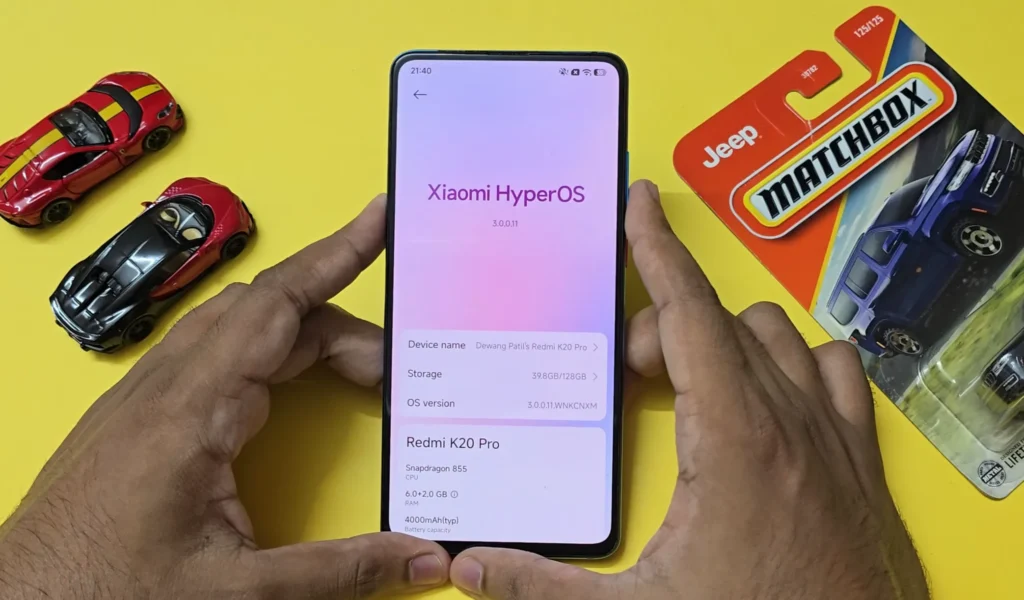
That’s exactly what’s happening with the HyperOS 3.0.0.11 port by KameYuki, a custom ROM that’s quickly gaining attention for its balance of performance, visuals, and stability. Based on Android 16, this build takes the HyperOS experience to a whole new level.
A More Polished, Smoother Experience
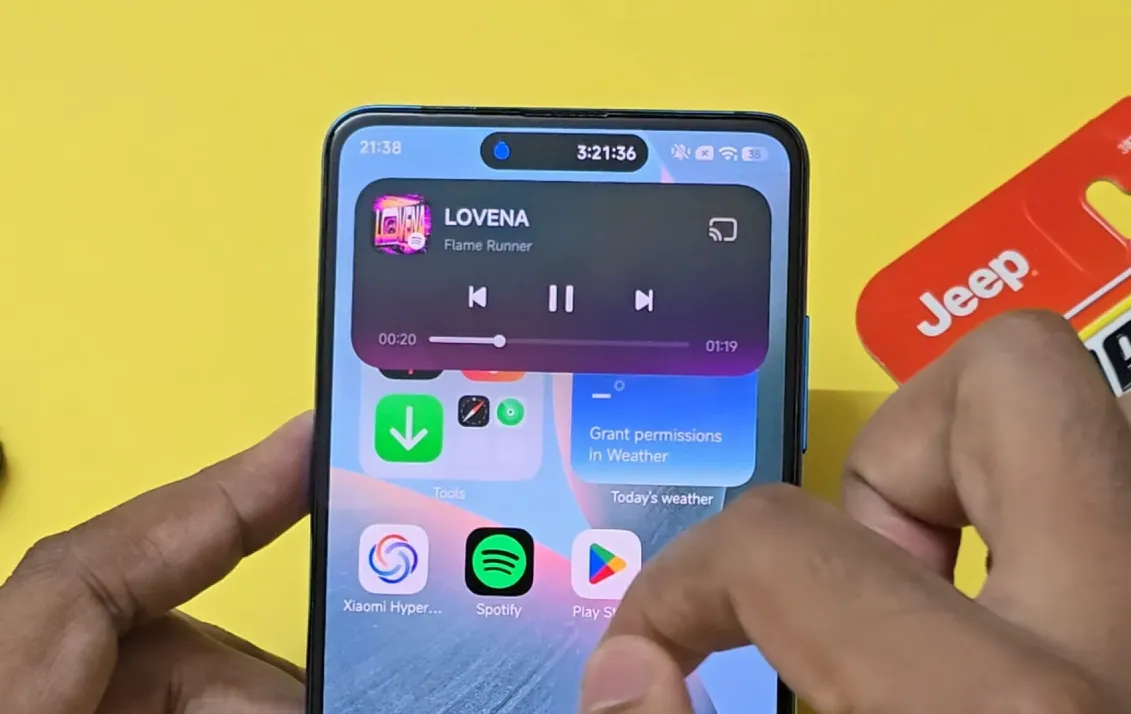
The first thing you notice after flashing KameYuki’s port is just how fluid everything feels. The animations glide effortlessly, the transitions are clean, and even small things like scrolling or opening apps feel refined. This is largely thanks to the hardware composer (HWC) ported from the Xiaomi 10, which massively improves display performance.
High refresh rate issues that used to plague earlier builds are now fixed, so your display finally runs at its full 90Hz or 120Hz without hiccups. The system feels lighter, smoother, and more consistent overall.
The port also brings fixes to features that were previously half-broken or unreliable. The face unlock now works reliably, image previews no longer blur randomly, and card reading issues are gone. Even the annoying bug where the display stayed on unnecessarily has been largely resolved.
Of course, it’s not perfect but it’s impressively close.
The Few Things That Still Need Work
Every custom ROM has its quirks, and HyperOS 3.0.0.11 is no exception. Some users might notice mild color inconsistencies on certain screens, while fingerprint unlock remains unreliable. NFC is also currently non-functional, though that’s expected to be fixed in a future update.
The good news? None of these issues make the ROM unusable. For most users, it’s daily-driver material fast, elegant, and surprisingly stable for an early port.
Why HyperOS 3 Matters
What makes HyperOS 3 special isn’t just its new look; it’s the philosophy behind it. Xiaomi has been slowly moving away from the heavy MIUI ecosystem toward something cleaner, smarter, and more unified. Built on Android 16, HyperOS connects your phone more deeply with the Xiaomi ecosystem tablets, wearables, smart homes while maintaining a smooth, battery-friendly interface.
In this port, that refined experience carries over beautifully. It’s minimal without feeling empty, fast without being aggressive on battery, and packed with subtle design improvements that make it feel fresh yet familiar.
Download HyperOS 3.0.0.11 Port by KameYuki
If you’re ready to give your Xiaomi device a new life, here’s where you can grab the build. Just make sure your bootloader is unlocked and that you’re comfortable with flashing custom ROMs before proceeding.
🔗 Download Links
Once flashed, let the system settle for a few minutes after the first boot. You’ll notice how fast and responsive it feels even with multiple apps running proof that HyperOS 3 was built for performance.
Final Thoughts
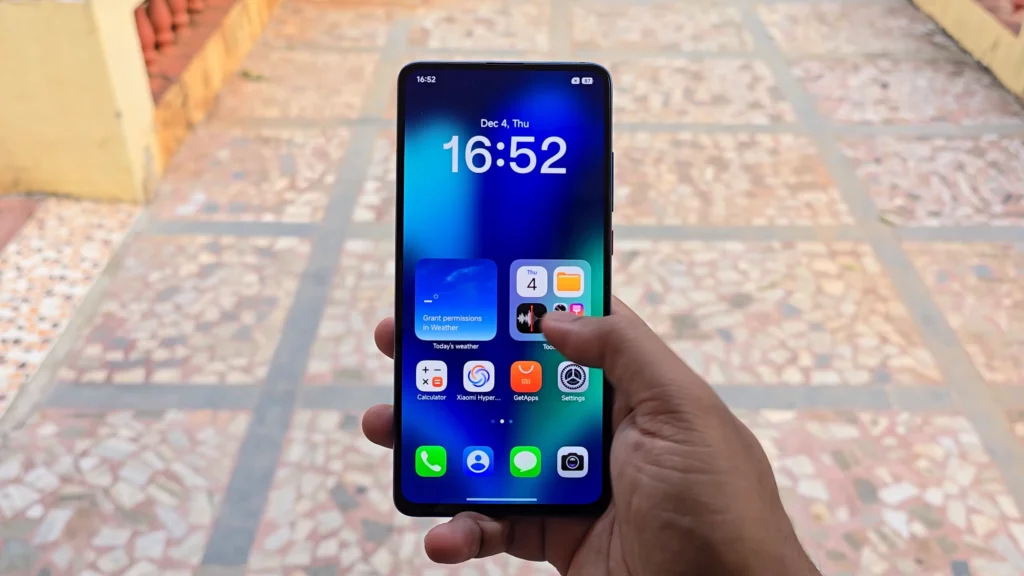
The HyperOS 3.0.0.11 port by KameYuki feels like a breath of fresh air for Redmi K20 Pro. It’s visually polished, and delivers a genuine taste of what Xiaomi’s future software direction looks like.
Yes, there are still a few rough edges, but they’re small compared to the leap in stability and performance. For anyone tired of waiting for official updates, this ROM is an absolute gem.
HyperOS 3 isn’t just a software update it’s a statement that Xiaomi’s ecosystem is evolving. And with community-driven efforts like KameYuki’s, even older devices can keep up with the latest innovations.